What Happens When You Die? A Gentle, Honest Way to Talk With Kids
The question that stops parents in their tracks
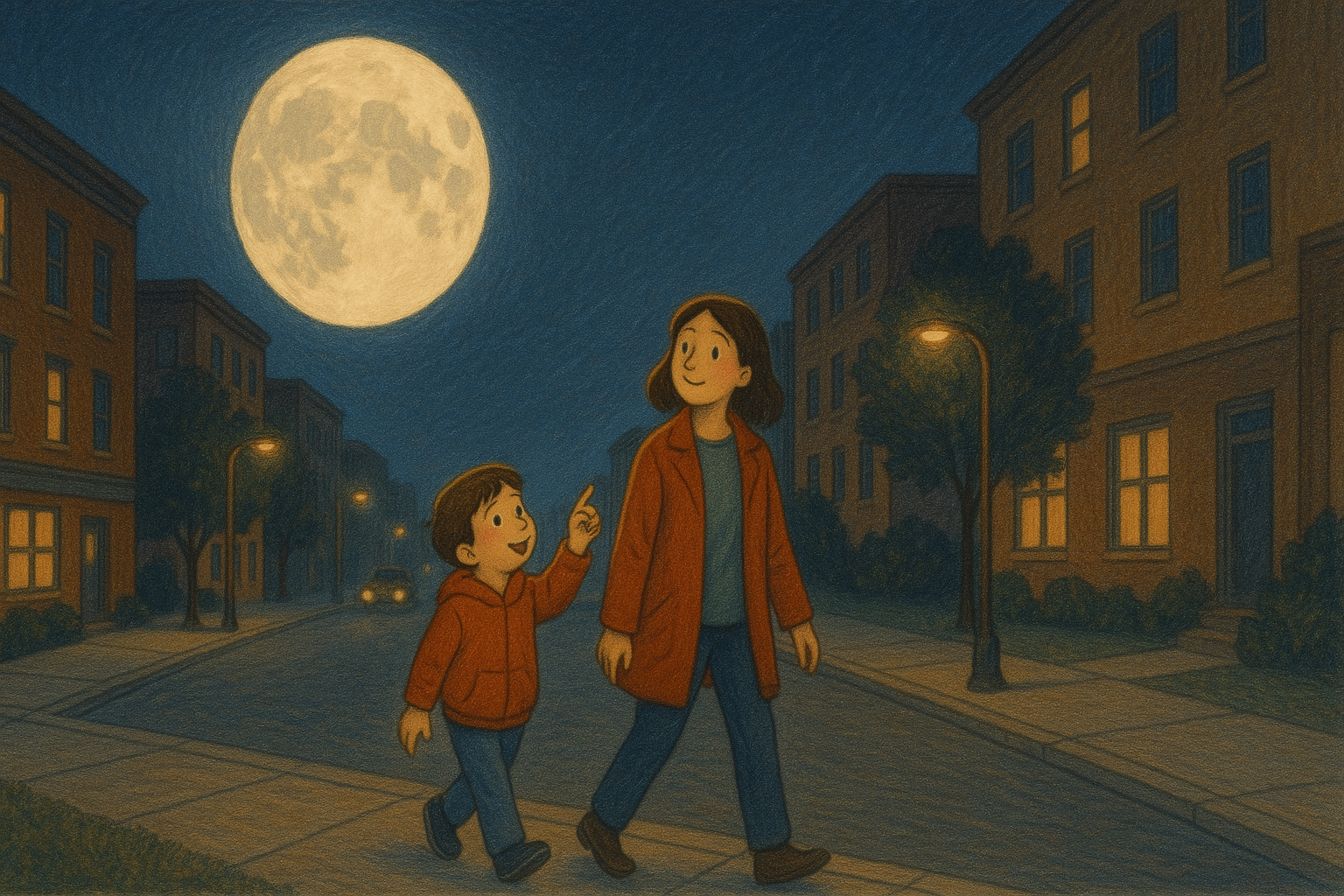
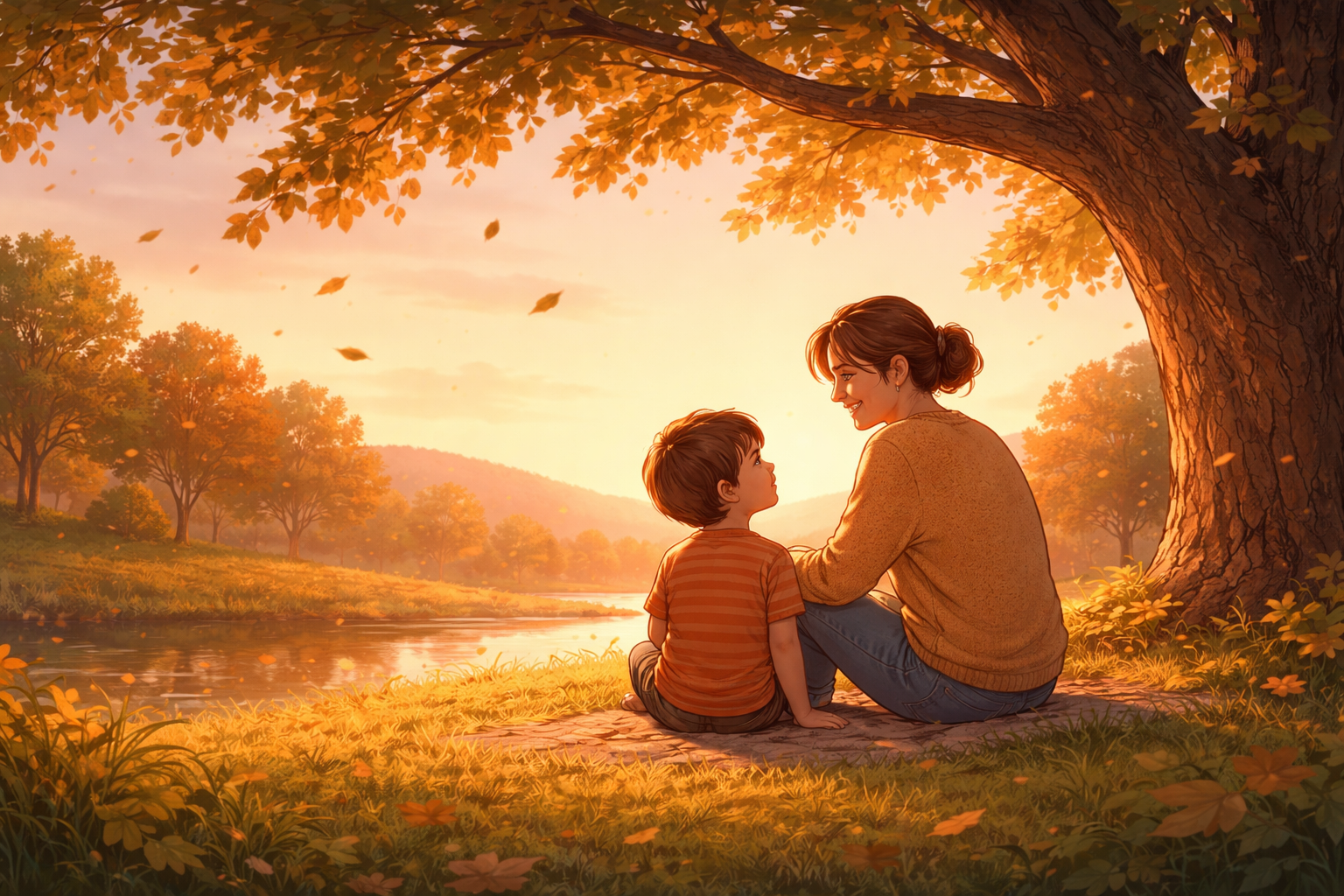
At some point—often earlier than we expect—our child looks up and asks: "What happens when you die?"
It might come after a pet dies, a grandparent gets sick, or a scene in a movie lingers a little too long. For parents, the question can feel heavy, emotional, and loaded with the fear of saying the wrong thing.
The good news is this: kids are not asking for an adult-sized explanation. They are asking for safety, honesty, and reassurance—shaped to their age and emotional world.
This is a conversation, not a single answer. And you’re allowed to go slowly.
Start with what children actually mean
When adults hear death, we think about permanence, loss, and our own mortality. Children usually mean something much simpler. They might be asking:
- Will it hurt?
- Can it happen to me?
- Can it happen to you?
- Where does someone go?
- Will I ever see them again?
Before launching into an explanation, it helps to gently check their meaning.
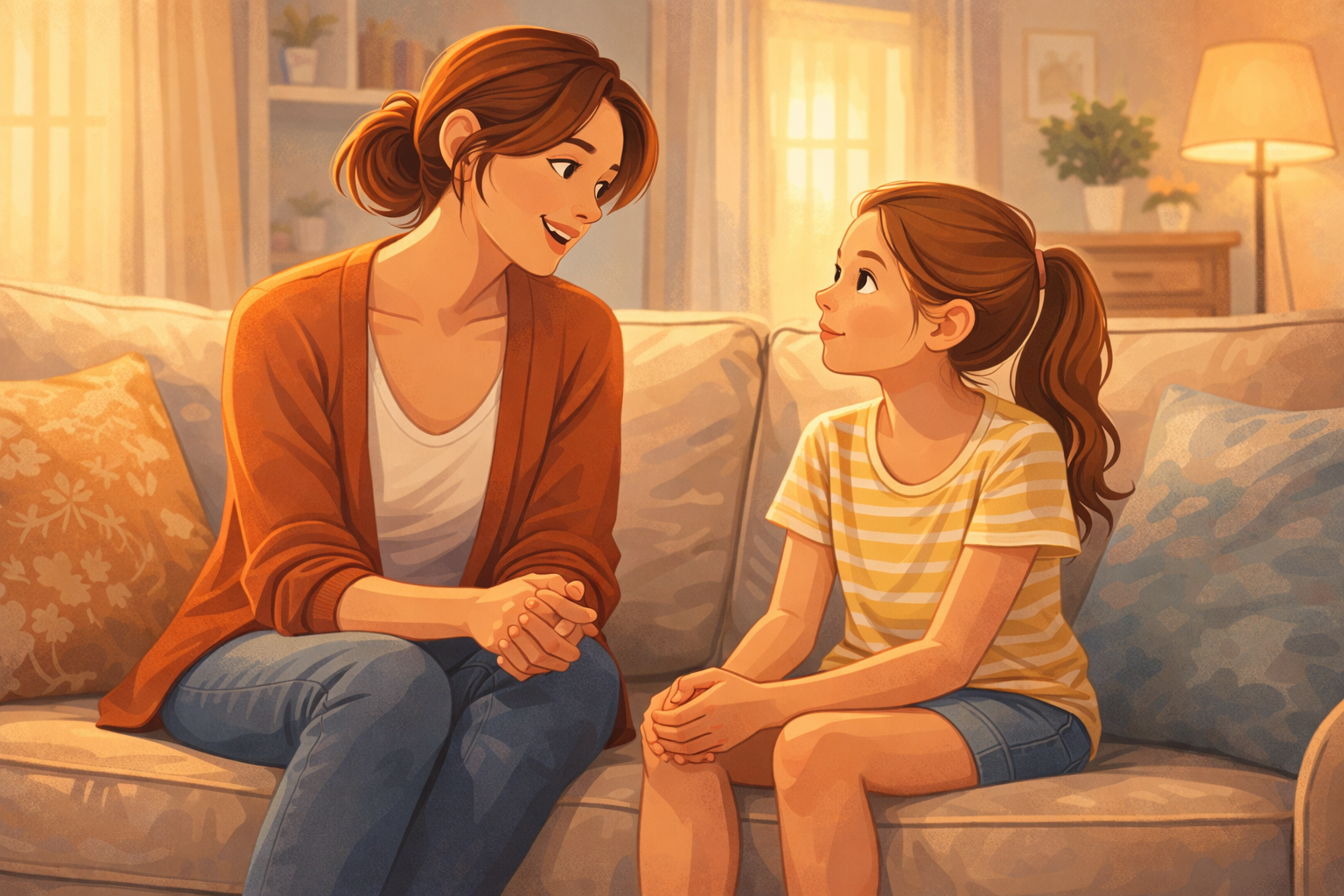
Micro-Conversation Child: "What happens when you die?" Parent: "That’s a big question. What made you think about it?"
Their answer will guide how much—and what kind of—information they need.
A simple, honest foundation (The Script)
Here is a calm, age-appropriate starting point that works for many families:
"When someone dies, their body stops working. They don’t feel pain anymore, they don’t need food or air, and they can’t come back. The people who love them keep remembering them and loving them."
This explanation does a few important things:
- Uses clear, real words (avoids euphemisms like went to sleep)
- Explains death as biological, not a punishment
- Separates the body stopping from love continuing
You can add spiritual or cultural beliefs if your family has them—but clarity should come first.
How understanding changes with age
Children’s brains process death very differently at different stages. Adjusting your language helps them feel secure instead of overwhelmed.
Ages 3–5: Literal and reversible
Young children often think death is temporary or reversible. They may ask the same question again and again—not because they didn’t listen, but because they are building understanding.
Helpful focus:
- Death means the body doesn’t work anymore
- It isn’t caused by thoughts or wishes
- The child is safe right now
Avoid saying someone "went to sleep" or "went away," which can cause fears around bedtime or separation.
Ages 6–8: Curious and concrete
Kids begin to understand permanence but want details. They may ask blunt questions about burial, cremation, or what happens physically.
Helpful focus:
- Answer honestly, but briefly
- Let the child set the depth of detail
- Normalize curiosity without encouraging fear
If you don’t know an answer, it’s okay to say so.
Ages 9–12: Emotional and existential
Older children may worry about parents dying, their own death, or the fairness of it all. They may not ask directly—but their behavior can change.
Helpful focus:
- Acknowledge fear and sadness
- Reassure without making impossible promises
- Invite ongoing conversation
Ending with steadiness, not certainty
There is no single, perfect answer to what happens when you die. Different families hold different beliefs, and children will eventually form their own.
What matters most is this: when kids ask, they find a parent who is calm, honest, and emotionally present.
If your child walks away feeling a little more grounded, a little less alone, and confident they can come back with more questions—you’ve done exactly what they needed.
And that’s the heart of talking to kids about what happens when you die.
Start explaining the world today
Join thousands of parents who use Little Answers to turn 'Why?' into a moment of connection.